
A guide to renting business premises for Commercial Landlords and Tenants
A full repairing and insuring lease — usually called an FRI lease — is the most common type of commercial property lease in England and Wales.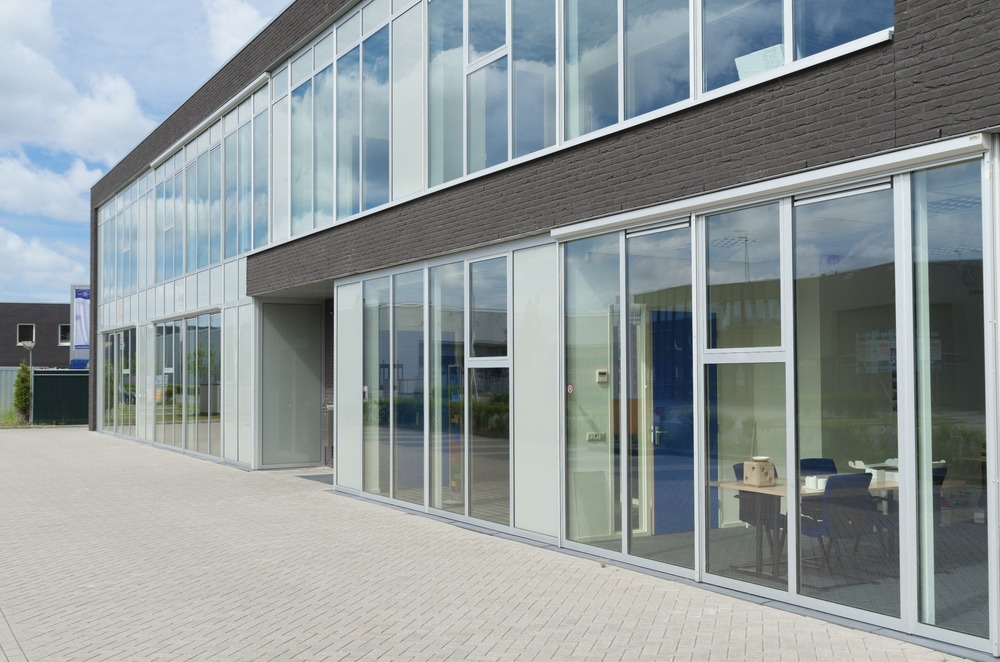
If you are taking on a shop, office, warehouse, surgery, restaurant or other business premises, there is a very strong chance that the lease offered to you will be a full repairing and insuring lease.
Many tenants sign these leases without fully understanding what they are agreeing to. That can be a very expensive mistake.
This guide explains:
- What a full repairing and insuring lease actually means
- What “full repairing” really involves
- How the insurance arrangements work
- The risks for tenants
- The advantages for landlords
- The hidden issues that often cause disputes
- Why proper legal advice matters before you sign
Considering renting business property? Need specialist commercial property solicitors? Call us on FREEPHONE 0800 1404544. Initial legal advice on the phone is always FREE
What Does a “Full Repairing and Insuring Lease” Mean?
Renting business property is very different from renting a residential flat or house. In simple terms, under a full repairing and insuring lease, the tenant is responsible for the cost of repairs and insurance for the property during the lease term.
That responsibility can apply whether:
- You occupy the whole building, or
- You only occupy part of a larger building
The key point is this:
You are not just renting space.
You are taking on financial responsibility for maintaining it. And that can prove very expensive particularly over the long-term and especially with older buildings.
________________________________________
What Is a “Full Repairing” Obligation?
A full repairing obligation involves considerable responsibility and usually means the tenant must:
- Keep the property in good repair
- Put the property into good repair if it is not already
- Maintain, repair and sometimes replace parts of the property
- Decorate at specified intervals
- Return the property in repair at the end of the lease
That obligation often covers:
- Roof
- External walls
- Structure
- Windows
- Doors
- Internal walls
- Floors and ceilings
- Plumbing
- Heating systems
- Electrical systems
Many tenants are surprised to discover that they may be required to repair defects that existed before they moved in.
________________________________________
Does “Repair” Mean Fixing or Improving?
This is a crucial question.
In law, “repair” can sometimes include putting the property into a better condition than when you took it on.
If a lease simply says you must “keep the premises in good repair”, this may mean:
- If the property was already in disrepair, you must fix it
- If parts of the building are near the end of their life, you may need to replace them
- You cannot argue that damage was there before you moved in
This is why many commercial tenants commission a schedule of condition before signing. A schedule of condition records the state of the property at the start of the lease and can limit your repairing obligations to that condition.
Without one, you may inherit very substantial liabilities.
________________________________________
What About Insurance?
Under an FRI lease, insurance is usually arranged by the landlord. However, the tenant pays for it.
There are two common scenarios:
1. Whole Building Lease
If you lease the entire building:
- You may be required to insure it directly in your own name
- Or reimburse the landlord for the insurance premium
2. Part of a Building (e.g. Office Block or Parade of Shops)
In this situation:
- The landlord insures the whole building
- The tenant pays a proportion through the service charge
The insurance typically covers:
- Fire
- Flood
- Storm damage
- Subsidence
- Terrorism (sometimes separate)
However, tenants often remain responsible for:
- Excess payments
- Damage caused by their negligence
- Internal fixtures and fittings
- Business interruption insurance (separate policy)
________________________________________
What Happens If the Building Is Damaged?
Most commercial leases contain provisions dealing with:
- Damage by insured risks
- Rent suspension
- Reinstatement obligations
Typically:
- The landlord uses insurance proceeds to repair the building
- Rent may be suspended while the premises are unusable
- If rebuilding is not possible, the lease may end
However, the detail matters.
Some leases allow the landlord to terminate in certain circumstances. Others do not.
This is another area where tenants often assume protection that is not actually written into the lease.
________________________________________
Why Landlords Prefer a Full Repairing and Insuring Lease
From a landlord’s perspective, an FRI lease is attractive because:
- It shifts financial risk to the tenant
- It provides predictable income
- It reduces management responsibility
- It protects the capital value of the property
Commercial property investors frequently rely on FRI leases to ensure that:
- The building is maintained
- Insurance is properly funded
- Their return is not eroded by repair costs
In investment terms, an FRI lease creates what is often described as a “clean income stream”.
________________________________________
Why Tenants Need to Be Careful
For a tenant, an FRI lease can represent significant hidden financial exposure.
Common problems include:
- Unexpected roof replacement costs
- Structural repair bills
- Historic disrepair liabilities
- Expensive service charge contributions
- Dilapidations claims at the end of the lease
A dilapidations claim can run into tens or even hundreds of thousands of pounds.
Many business tenants only discover the scale of their liability when they are trying to leave the premises.
By that stage, it is too late to renegotiate the repairing clause.
________________________________________
What Is a Dilapidations Claim?
Dilapidations refers to breaches of the tenant’s repairing obligations.
At the end of the lease, the landlord may:
- Serve a schedule of dilapidations
- Claim the cost of putting the property back into the required condition
- Claim loss of rent during repair works
Even if you are vacating because your business has failed or moved, the liability can continue.
Proper drafting at the outset can significantly reduce this risk. And bear in mind that dilapidations claims can prove very expensive indeed for the unwary business tenant.
________________________________________
How Can Repairing Liability Be Limited?
There are several ways to limit risk when entering into an FRI lease:
- Agree a schedule of condition
- Limit the obligation to “keep in no worse condition”
- Exclude structural elements
- Negotiate a cap on dilapidations
- Ensure the landlord is responsible for inherent defects
Many tenants assume leases are non-negotiable.
In reality, commercial lease terms are often negotiable — especially before heads of terms are finalised.
________________________________________
Are Full Repairing and Insuring Leases Used for All Commercial Property?
FRI leases are extremely common in:
- Retail premises
- Offices
- Industrial units
- Warehouses
- Medical and professional premises
However, alternatives do exist, such as:
- Internal repairing leases
- Leases where the landlord retains structural responsibility
- Short-term licences
The structure of the lease often depends on:
- Length of term
- Bargaining power
- Condition of the property
- Investment status of the landlord
________________________________________
What Should Landlords Consider?
Landlords should ensure:
- The repairing covenant is clearly drafted
- Insurance arrangements are robust
- Service charge provisions are enforceable
- Compliance with statutory requirements is allocated correctly
Poor drafting can create gaps in protection.
For example, ambiguity over structural elements can lead to disputes and litigation.
_______________________________________
Common Disputes Arising from FRI Leases
Disputes frequently arise in relation to:
- Meaning of “repair”
- Whether works amount to improvement rather than repair
- Service charge reasonableness
- Insurance reinstatement
- Dilapidations quantum
These type of business property disputes can be complex and expensive. Specialist commercial property solicitors are often involved in resolving them.
________________________________________
Your Full Repairing and Insuring Lease – Why You Should Take Legal Advice Before Signing
Many business owners focus on:
- Rent
- Length of term
- Break clause
They do not focus enough on repairing liability.
Yet the repairing covenant can be the most financially significant clause in the entire lease.
Before signing a full repairing and insuring lease, you should:
- Have the lease reviewed
- Understand the repairing covenant
- Consider commissioning a survey
- Negotiate risk-limiting amendments
The cost of early advice is usually small compared to the potential liability.
________________________________________
How We Can Help
As previously mentioned, business leases are very different from residential leases. Whilst it is common to have a standard assured shorthold tenancy when renting a flat or house, commercial leases simply don’t work that way. There is no such thing as a standard commercial lease and any two leases can vary considerably.
Our commercial property solicitors regularly advise a variety of clients including:
- Commercial tenants
- Commercial landlords
- Property investors
- Developers
- Business owners
We regularly:
- Negotiate FRI leases
- Draft amendments to repairing clauses
- Prepare and review schedules of condition
- Advise on dilapidations risk
- Act in disputes
If you are being offered a full repairing and insuring lease, we can explain in plain English what it means for you before you commit.
Early advice protects your business and reduces future risk.
________________________________________
What Is a Full Repairing and Insuring Lease? Frequently Asked Questions
What is a full repairing and insuring lease?
A full repairing and insuring lease is a commercial lease where the tenant is responsible for maintaining and repairing the property and for paying the cost of insuring it, usually by reimbursing the landlord.
Does a full repairing lease mean I must fix existing defects?
It often does. Unless limited by a schedule of condition or specific drafting, a tenant may be required to put the property into good repair even if defects existed before the lease began.
Who pays building insurance under an FRI lease?
The landlord usually arranges the insurance, but the tenant pays the premium, either directly or through the service charge.
What is a schedule of condition?
A schedule of condition is a photographic and written record of the property’s state at the start of the lease. It can limit the tenant’s repairing liability to that condition.
What are dilapidations?
Dilapidations are breaches of repairing obligations. At the end of the lease, the landlord may claim the cost of required repairs from the tenant.
Are full repairing and insuring leases negotiable?
Yes. Many terms can be negotiated before the lease is signed, including limits on repairing obligations and liability caps.

