Right To Manage And Shared Ownership: A Practical Guide For Leaseholders 
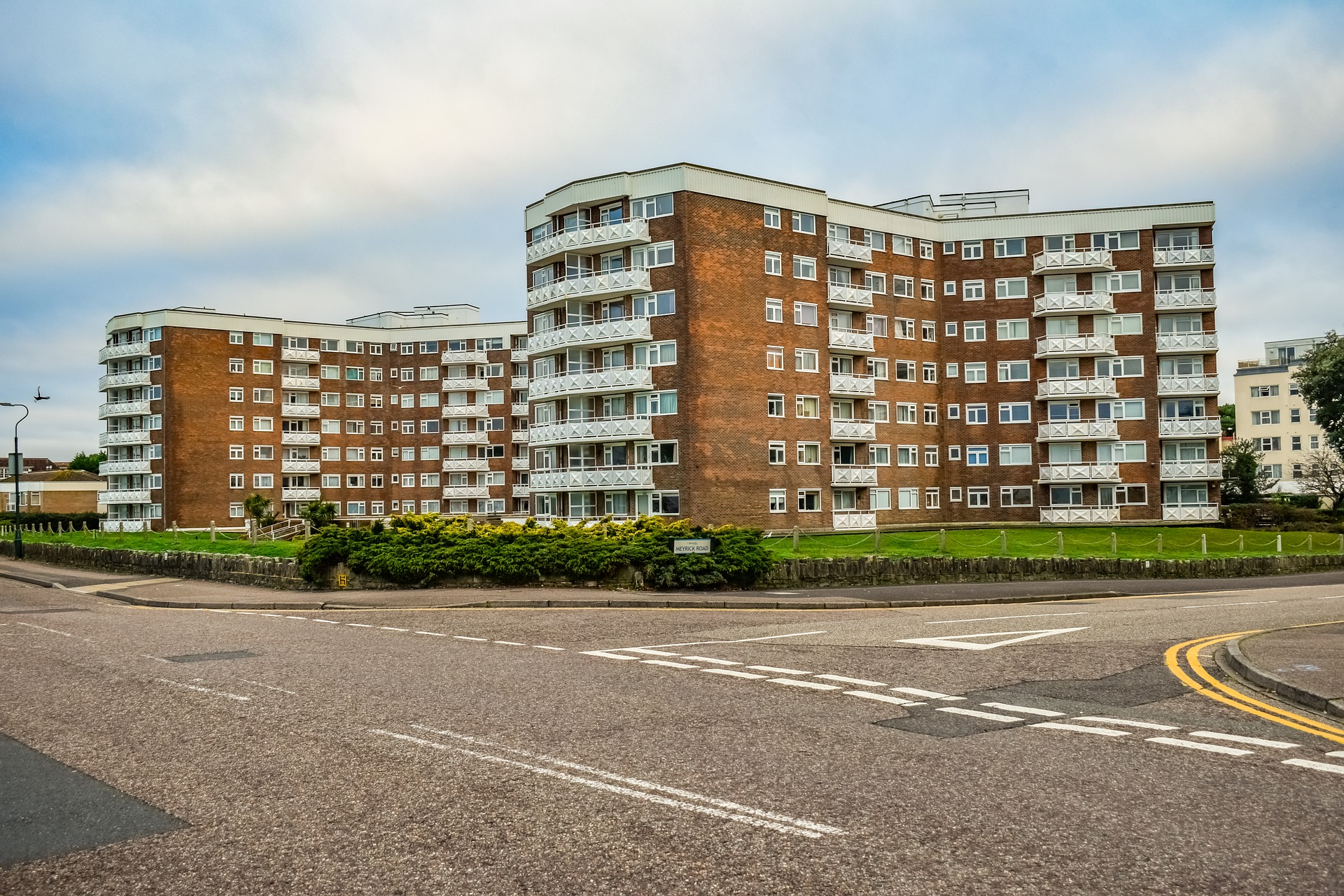
Many shared ownership leaseholders are surprised to discover just how high service charges can become over time. In some housing association-owned blocks, annual charges can be significantly higher than in comparable private developments, often with limited transparency or meaningful control for residents. If you are a shared ownership leaseholder facing rising or excessive service charges, you may be entitled to exercise the Right to Manage (RTM). This allows qualifying leaseholders to take control of the management of their building from the landlord or housing association, without having to prove fault. This page explains how Right to Manage and shared ownership works, who is eligible (including those who have not fully staircased), why service charges in housing association blocks are often higher, and how our specialist leasehold solicitors can help you take action.
Got a question about exercising your Right To Manage and Shared Ownership? Call our specialist RTM solicitors on FREEPHONE 0800 1404544 for FREE initial phone advice – with no strings attached.
What Is the Right to Manage (RTM)?
The Right to Manage is a statutory right under the Commonhold and Leasehold Reform Act 2002. It allows qualifying leaseholders to take over the management of their building through an RTM company. Key features of RTM include:
- No need to prove mismanagement
- No requirement to buy the freehold
- The landlord remains the freeholder but loses management control
- Leaseholders choose their own managing agent
- Greater transparency and accountability
RTM is often the most practical way for leaseholders to regain control over service charges and standards of management.
Can Shared Ownership Leaseholders Exercise the Right to Manage?
Yes — shared ownership leaseholders can take part in Right to Manage, even if they have not fully staircased, provided certain conditions are met.
In most cases:
- Shared ownership leaseholders count as qualifying tenants
- They can be included in the RTM process
- Their participation counts towards the required majority
Eligibility depends on the specific terms of the lease, but many shared ownership leases grant a long lease (often 99 or 125 years), which meets the statutory requirements.
This is an important and often misunderstood point. Many housing associations incorrectly imply that non-staircased shared owners have limited rights. In reality, they can play a full role in exercising RTM in qualifying buildings.
Right to Manage & Shared Ownership – Eligibility Requirements
To exercise the Right to Manage, the building itself must meet certain criteria, including the following:
- It must be self-contained or part of a self-contained building
- At least two-thirds of the flats must be held on long leases
- No more than 25% of the building can be non-residential
- At least 50% of qualifying leaseholders must participate
Shared ownership flats are usually included when calculating these thresholds.
What Are the Advantages of Exercising the Right to Manage in a Housing Association-Owned Block?
Exercising RTM can bring significant benefits, particularly in housing association developments. Advantages include:
- Direct control over service charge budgets
- Ability to appoint or change managing agents
- Improved transparency and access to accounts
- Greater responsiveness to residents’ concerns
- Potential reduction in service charges over time
- Better value for money
- Stronger collective voice for leaseholders
For many shared ownership leaseholders, RTM represents a way to rebalance the relationship with a large institutional landlord.
Shared Ownership Leasehold Problems
Shared ownership is often marketed as a more affordable route onto the property ladder. In practice, however, many leaseholders experience ongoing problems once they have moved in. Common shared ownership leasehold issues include:
- High and rising service charges with little explanation
- Limited ability to challenge management decisions
- Long delays in repairs or maintenance
- Expensive managing agents appointed by housing associations
- Charges for services that leaseholders do not believe are necessary
- Complex lease terms that heavily favour the landlord
These problems are often made worse by the fact that shared ownership leaseholders may feel they have fewer rights than full owners. In reality, shared ownership leaseholders often have similar statutory rights to other leaseholders, including the right to manage.
What Are Service Charges in Leasehold Blocks?
Service charges are payments made by leaseholders to cover the cost of managing, maintaining, repairing, and insuring a building and any shared areas.
They commonly include:
- Cleaning and maintenance of communal areas
- Repairs to the structure and exterior
- Building insurance
- Managing agent fees
- Health and safety compliance
- Fire safety works
- Reserve or sinking funds
Service charges must be:
- Reasonable in amount
- Reasonably incurred
- For works or services of a reasonable standard
Even where costs are technically recoverable under the lease, leaseholders are entitled to challenge unreasonable charges through the First-tier Tribunal (Property Chamber).
High Shared Ownership Service Charge
Many shared ownership leaseholders find that service charges in housing association-owned blocks are substantially higher than in privately managed developments.
In some cases, shared ownership service charges can be:
- Hundreds or thousands of pounds per year higher than comparable blocks
- Subject to sudden and steep annual increases
- Difficult to challenge due to poor information or lack of consultation
This is not uncommon and has been widely reported across England, particularly in larger housing association portfolios.
Why Are Shared Ownership Service Charges So High?
There are several structural reasons why service charges in housing association blocks tend to be higher than average. These include:
- Greater regulatory obligations, including enhanced fire safety and compliance requirements
- Risk-averse management practices, often involving costly consultants and contractors
- Large managing agents appointed on long-term contracts with limited accountability
- Centralised procurement, which can reduce competition and increase costs
- Cross-subsidisation concerns, where leaseholders fear they are indirectly funding social housing costs
- Limited resident influence over budgeting and expenditure
Housing associations are often managing mixed-tenure blocks, which can further complicate cost allocation and transparency.
The Impact of Housing Association High Service Charges on Property Value
High and unpredictable service charges can have a serious and lasting impact on the value and marketability of leasehold and shared ownership properties. Buyers are increasingly cautious about purchasing flats where service charges are already high or have a history of steep annual increases. Even where a property is otherwise attractive, excessive service charges can deter buyers, reduce demand, and place downward pressure on sale prices.
In more serious cases, high service charges can affect mortgage availability. Mortgage lenders take service charge levels into account when assessing affordability and overall lending risk. Where charges are considered excessive or unsustainable, lenders may restrict borrowing, reduce loan-to-value ratios, or refuse to lend altogether. This issue has arisen in practice in relation to certain housing association-owned developments, including Aster-owned blocks in Andover, Hampshire, where service charge levels have raised concerns among leaseholders, buyers, and mortgage lenders. For some owners, this has meant that properties have become extremely difficult to sell.
Housing Associations and Service Charge Litigation – The Aster Cases
Some housing associations have been involved in significant litigation concerning service charges, highlighting the seriousness of these issues.
A notable example involves Aster Group, which has been involved in High Court proceedings relating to service charge disputes in housing association-owned blocks, including properties in Andover, Hampshire.
These cases have examined issues such as:
- The recoverability of certain service charge items
- Whether costs were reasonably incurred
- The interpretation of lease provisions
- The extent of landlord discretion when setting charges
While each case turns on its own facts and lease wording, this litigation demonstrates that service charges imposed by housing associations are not immune from legal scrutiny. It also reinforces the importance of leaseholders understanding and exercising their statutory rights.
For many residents, the prospect of ongoing disputes is a key reason for considering Right to Manage, which offers a proactive solution rather than repeated challenges.
Is There a Legal Cap on Annual Increases?
There is no general legal cap on how much service charges can increase from one year to the next. However:
- Charges must still be reasonable
- Major works are subject to statutory consultation requirements
- Leaseholders can challenge costs at tribunal
- Reserve fund contributions must be justified
In practice, the absence of a fixed cap means that leaseholders in poorly managed blocks can face unpredictable and unaffordable increases. This lack of control is one of the strongest arguments in favour of exercising the Right to Manage.
High Service Charges, Mortgageability and Lender Concerns
Mortgage lenders increasingly scrutinise service charge levels when deciding whether to lend on leasehold and shared ownership flats. While there is no fixed national threshold, lenders typically assess whether service charges are proportionate to the value of the property, predictable over time, and supported by transparent budgeting. Where charges are unusually high, poorly explained, or subject to frequent increases, lenders may regard the property as higher risk.
In housing association-managed blocks, particularly larger developments with extensive compliance and management costs, service charges can reach a level where lenders consider the property unaffordable for many buyers. This can result in fewer mortgage products being available or, in some cases, a refusal to lend altogether. The practical effect is that leaseholders of shared ownership flats may find their property harder to sell, forced to accept a reduced price, or limited to a much smaller pool of buyers. Exercising the Right to Manage can help address these concerns by bringing costs under closer control and improving confidence in how the building is run.
Right to Manage & Shared Ownership – What Are the Costs Involved?
Exercising the Right to Manage does involve some upfront and ongoing costs, but these should be viewed in context and are often outweighed by the long-term benefits of improved control and better value for money. Typical costs include legal fees for preparing and serving the RTM notices, setting up the RTM company, and dealing with any technical challenges raised by the landlord or housing association. Leaseholders are also responsible for the landlord’s reasonable legal and administrative costs associated with the handover of management, although the landlord is not entitled to recover costs for opposing the RTM claim itself.
Once RTM has been successfully acquired, the RTM company will need to budget for ongoing management costs, such as appointing a managing agent, arranging building insurance, accounting, and statutory compliance. In many housing association-owned blocks, leaseholders find that these costs are more transparent and proportionate than those previously imposed. Over time, RTM can lead to savings through competitive tendering, closer scrutiny of expenditure, and a more balanced approach to risk, which can help stabilise service charges and protect property values.
Encouraging Leaseholders to Consider RTM
Where service charges are consistently high, unpredictable, or poorly explained, leaseholders should seriously consider RTM as a long-term solution rather than repeatedly challenging individual charges.
RTM is particularly attractive where:
- Housing associations manage large portfolios
- Leaseholders feel disconnected from decision-making
- There is a pattern of annual increases
- Communication with managing agents is poor
Our experience shows that well-run RTM companies often achieve better outcomes for residents over time.
The Alternative: Leasehold Enfranchisement
An alternative to RTM is collective enfranchisement, where leaseholders purchase the freehold of the building.
Enfranchisement offers:
- Permanent control of management
- Ownership of the freehold
- Potential long-term value uplift
However, it also involves:
- Higher upfront costs
- Complex valuation issues
- The need to raise collective funding
- Longer timescales
RTM is often a more accessible first step, particularly in shared ownership blocks where enfranchisement may be more complicated.
Right to Manage and Shared Ownership – How Our Specialist Leasehold Solicitors Can Help
Our leasehold team advises leaseholders across England and Wales on Right to Manage, shared ownership issues, and service charge disputes.
We can assist with:
- Assessing RTM eligibility
- Advising shared ownership leaseholders on their rights
- Drafting and serving RTM notices
- Setting up RTM companies
- Managing landlord objections
- Advising on service charge challenges
- Advising on enfranchisement as an alternative
- Acting for RTM companies on an ongoing basis
We have particular experience in housing association-owned blocks and understand the practical challenges involved.
Why Choose Our Leasehold Team?
- Specialist experience in RTM and shared ownership
- Practical, plain-English advice
- Fixed-fee options where appropriate
- Experience dealing with major housing associations
- Strategic advice focused on long-term outcomes
We help leaseholders take control with confidence.
FAQ – Right to Manage and Shared Ownership
Can shared ownership leaseholders exercise the Right to Manage?
Yes. Shared ownership leaseholders can usually take part in the Right to Manage process even if they have not fully staircased, provided they hold a long lease and the building meets the statutory qualifying criteria. Many shared ownership leases are granted for 99 or 125 years, which is sufficient for RTM purposes.
Why are service charges often higher in housing association blocks?
Service charges are often higher due to increased regulatory and compliance requirements, risk-averse management practices, and the use of large managing agents and contractors. Leaseholders typically have limited influence over procurement and budgeting decisions, which can reduce competition and lead to higher overall costs.
Is there a legal cap on annual service charge increases?
No. There is no general legal cap on how much service charges can increase each year. However, charges must still be reasonable and reasonably incurred. Leaseholders can challenge unreasonable service charges at the First-tier Tribunal, and major works are subject to statutory consultation requirements.
Can high service charges affect my ability to sell or get a mortgage?
Yes. High or unpredictable service charges can reduce buyer demand and negatively affect property value. Mortgage lenders assess service charge levels when considering affordability and risk, and excessive charges can result in fewer mortgage options or, in some cases, a refusal to lend.
Will exercising the Right to Manage reduce service charges?
Right to Manage does not automatically reduce service charges, but it often improves transparency and control. Leaseholders can appoint their own managing agent, scrutinise budgets, and tender services competitively, which can help stabilise costs and improve value for money over time.
What are the costs involved in exercising the Right to Manage?
Costs typically include legal fees for setting up the RTM company and serving notices, plus the landlord’s reasonable legal and administrative costs relating to the handover of management.
Ongoing costs include managing agent fees, insurance, accounting, and statutory compliance, which are usually more transparent under RTM.
Can a housing association stop a Right to Manage claim?
A housing association cannot refuse Right to Manage simply because it does not want to lose management control. However, it can challenge an RTM claim on technical grounds, such as eligibility or notice errors, which is why specialist legal advice is important.
What is the alternative to Right to Manage?
The main alternative is collective enfranchisement, where qualifying leaseholders purchase the freehold of the building. This provides permanent control but is usually more expensive and complex than Right to Manage, particularly in shared ownership developments.
Speak to Our Specialist Leasehold Solicitors
If you are a shared ownership leaseholder concerned about high service charges or poor management, our specialist solicitors can advise you on your rights and next steps.
Contact us today to discuss Right to Manage and shared ownership issues, or enfranchisement. Call FREEPHONE 0800 1404544 for FREE initial phone advice – with no strings attached.